
 Electric Dirt Bikes
 Kooler Kartz
 Mini Trike
 Surrun Bikes
 Parts & Accessories
 Quad Bikes


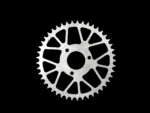
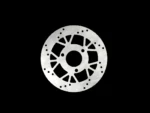

Original price was: $99.00.$49.99Current price is: $49.99.
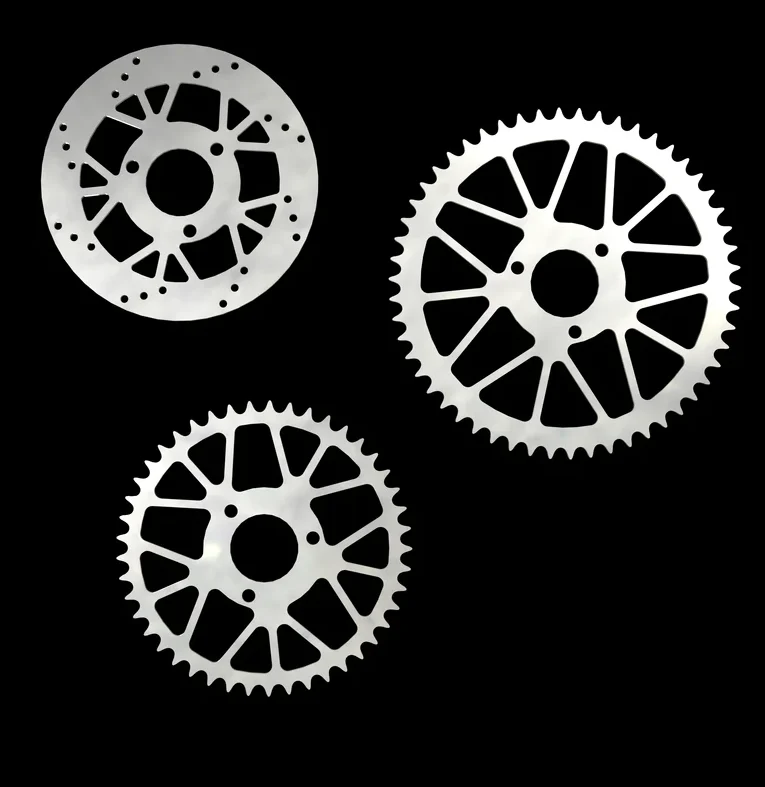
Most kart builders assume a sprocket carrier is just part of the cost of doing business — a separate part, a separate expense, one more thing to source and install correctly. The Chain Sprocket and Break Rotor exists specifically to eliminate that assumption. It mounts directly to your kart hub, combining sprocket and brake rotor into a single component and cutting out the sprocket carrier entirely — a real cost savings, not just a convenience claim.
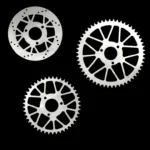
The Chain Sprocket and Break Rotor is built for teen and adult riders and builders who want genuine performance hardware without paying for redundant parts. It’s made from durable carbon steel, compatible with standard 1″ or 1-1/4″ kart hubs, works with 420 chain, and comes in 40, 48, 50, and 54 tooth counts to match your specific gearing needs. The integrated 7″ brake rotor means one component handles both drivetrain and braking duty on that side of the hub.
This guide breaks down five reasons the Chain Sprocket and Break Rotor earns real consideration for any kart or mini bike build — how the combined sprocket-rotor design actually works, what real-world builders and racers say about this kind of component, how to choose the right tooth count, and the questions serious buyers ask before ordering.
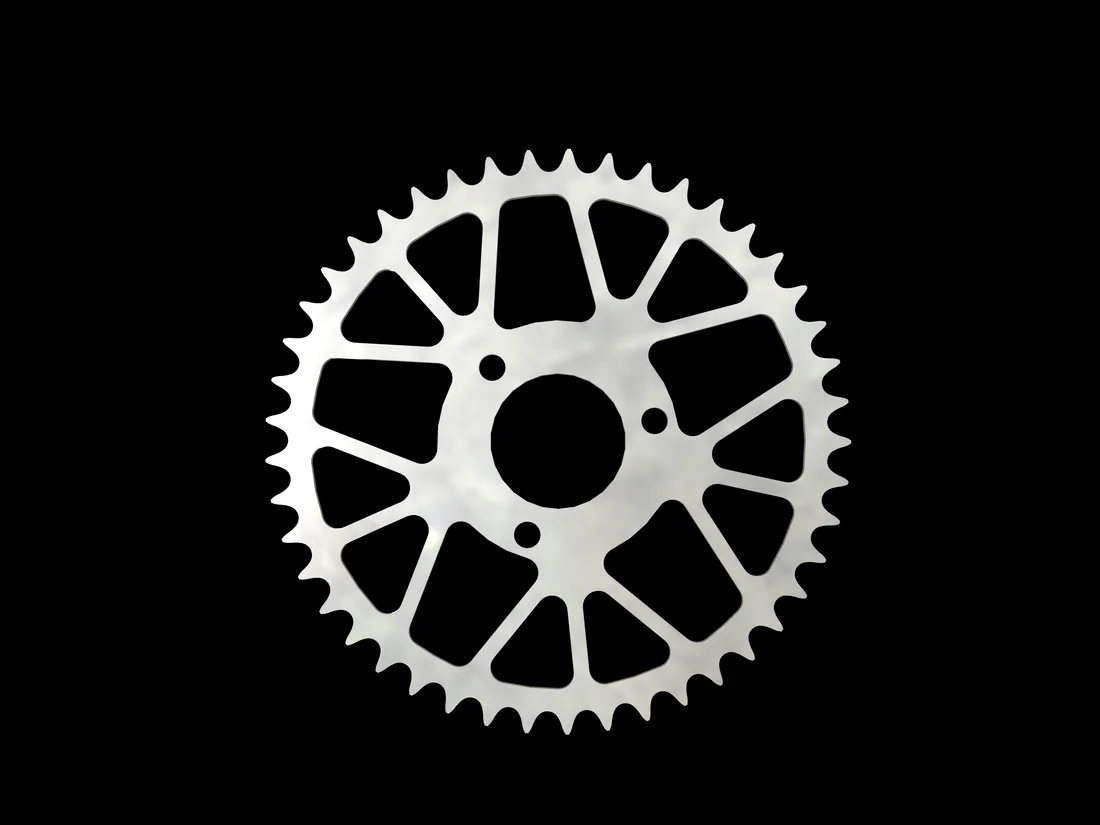
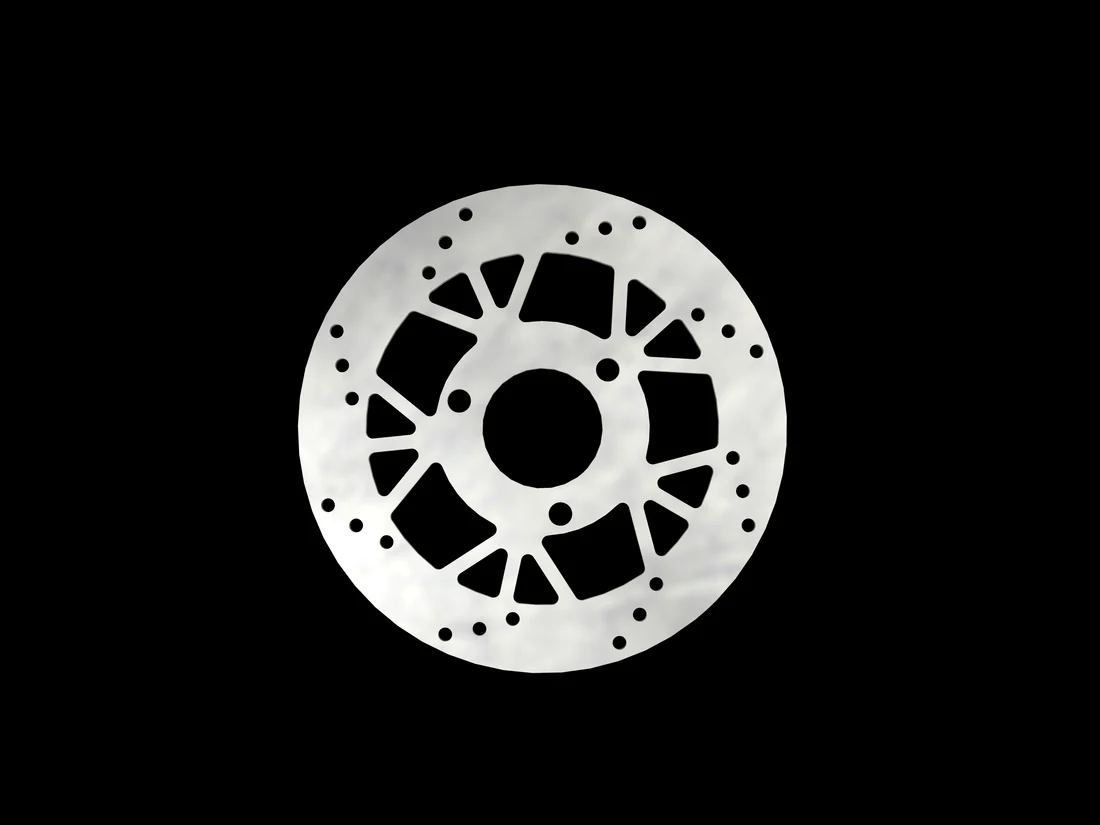
The Chain Sprocket and Break Rotor is a two-in-one kart component that mounts directly to your kart hub, combining a chain sprocket and a brake rotor into a single carbon steel part. It’s compatible with standard 1″ or 1-1/4″ kart hubs and works with 420 chain, available in 40, 48, 50, and 54 tooth counts to match different gearing requirements.
This isn’t a new concept in the broader motorsports and minibike world — combined sprocket-rotor components have been used across custom motorcycle builds, minibikes, and karts for years, often referred to informally as a “sprotor” within enthusiast communities. What makes the Chain Sprocket and Break Rotor a genuine value proposition is what it eliminates: the separate sprocket carrier that a traditional setup requires, along with the separate cost of sourcing a standalone sprocket.
The 7″ brake rotor integrated into this component provides real braking surface, working with a standard caliper positioned to bite the rotor portion of the part rather than the sprocket teeth — the same fundamental design principle used across sprocket-rotor combo components regardless of manufacturer.
Combining a sprocket and brake rotor into a single component solves a real engineering problem: on a standard kart or minibike setup, mounting a sprocket that isn’t directly compatible with your hub typically requires a separate carrier — an intermediate part that bolts to the hub and then accepts the sprocket. That’s an additional component, additional mounting hardware, and additional potential failure points.
The Chain Sprocket and Break Rotor mounts directly to the hub, skipping that intermediate carrier entirely. That’s a genuine simplification, not just a cost-cutting measure — fewer components generally means fewer things that can work loose, misalign, or fail over time, provided the combined component itself is built to handle the combined drivetrain and braking loads it’s now responsible for.
Carbon steel construction is specifically chosen for that combined-load application — a material genuinely capable of handling both the repeated torque cycling of chain-driven power delivery and the friction and heat generated by braking, on the same physical part.
It’s worth doing the actual math on what this component saves, since the value proposition here is concrete and calculable, not just marketing language.
A traditional setup requires a sprocket carrier — commonly costing up to $45 on its own — plus a separate sprocket, commonly running around $50. That’s roughly $95 in separate components before you’ve accounted for the brake rotor itself, which would typically be a third separate part in a traditional setup.
The Chain Sprocket and Break Rotor combines what would otherwise be at least two, and often three, separate purchases into a single component. For builders working on a budget, or simply looking to avoid unnecessary part-count bloat in a build, that consolidation represents genuine, calculable savings — not a vague “better value” claim without real numbers behind it.
Before ordering, confirming compatibility matters more with a combined component like this than it would with separate, more universally interchangeable parts.
Hub sizing. The Chain Sprocket and Break Rotor is compatible with standard 1″ or 1-1/4″ kart hubs. Confirm your specific hub diameter before ordering, since this determines fitment directly.
Chain pitch. This component is built for 420 chain — one of the most common chain pitches across karts and minibikes, but confirm your build uses 420 chain specifically before ordering, since a mismatched chain pitch won’t engage the sprocket teeth correctly.
Tooth count. Available in 40, 48, 50, and 54 tooth options, each producing different final drive gearing depending on your engine’s output sprocket size. Choosing the right tooth count is covered in more detail later in this guide.
Caliper compatibility. Since the 7″ rotor is integrated into the same component as the sprocket, confirm your brake caliper mounting setup can accommodate the combined part’s dimensions before ordering — this is different from swapping a standalone rotor, since the sprocket and rotor are now a fixed single unit.
Carbon steel is a meaningful material choice for the Chain Sprocket and Break Rotor specifically because of the dual mechanical demands this component faces simultaneously. As a sprocket, it needs to handle repeated torque loading from chain-driven power delivery without tooth deformation or premature wear. As a brake rotor, it needs to handle the friction, heat, and repeated stress of braking without warping or cracking.
A component built from a lower-grade material might handle one of those two functions adequately while falling short on the other. Carbon steel is specifically suited to handling both demands on a single part — the same fundamental reason it’s a common choice for genuine brake rotors on its own, now paired with sprocket-grade durability requirements layered on top.
Made in the USA also carries genuine practical weight for a mechanical safety-adjacent component like this — domestic manufacturing generally allows for more consistent quality control oversight than components sourced from manufacturers with less direct accountability.
It’s worth being direct about the genuine tradeoffs between a combined sprocket-rotor component like this and a traditional separate sprocket-carrier-plus-rotor setup, since neither approach is universally superior.
Traditional separate setups offer more modular flexibility — if your sprocket wears out, you replace just the sprocket, not the rotor along with it, and vice versa. They also allow more flexibility in mixing and matching specific sprocket and rotor brands or specs independently.
The Chain Sprocket and Break Rotor trades that modularity for genuine cost savings and reduced part count, at the cost of needing to replace the combined component as a single unit if either the sprocket teeth or the rotor surface wears out or is damaged — you can’t replace just one half independently.
| Factor | Traditional Separate Setup | Chain Sprocket and Break Rotor |
|---|---|---|
| Upfront cost | Sprocket + carrier + rotor separately (~$95+ before rotor) | Combined single-component cost |
| Part count | 3 separate components | 1 combined component |
| Replacement flexibility | Replace sprocket or rotor independently | Replace as a combined unit |
| Installation complexity | Multiple mounting steps | Single direct-to-hub mounting |
| Failure points | More components, more potential failure points | Fewer components, fewer failure points |
For builders who prioritize cost savings, reduced complexity, and fewer components to source and install, the Chain Sprocket and Break Rotor is the stronger choice. For builders who specifically want to mix and match sprocket and rotor specs independently, or who expect to wear through sprockets faster than rotors (or vice versa) in their specific use case, a traditional separate setup may better suit that need.
Combined sprocket-rotor components — often called “sprotors” within custom minibike, kart, and motorcycle communities — have real, documented history in enthusiast build forums, and it’s worth being honest about both the praised advantages and the genuine concerns builders raise.
The core advantage builders consistently cite is exactly what’s covered above: eliminating a separate carrier and consolidating parts, along with the clean, simplified look of a single combined component versus a stack of separate parts on one side of the hub.
The genuine concern raised most often relates to chain lubrication contaminating the braking surface. Since the sprocket teeth and the rotor’s braking surface sit on the same physical component, chain lube can potentially migrate onto the area where brake pads make contact, reducing braking effectiveness if not managed properly. Experienced builders address this primarily by using a sealed chain — one with O-rings between the links that contains lubricant internally rather than flinging it externally onto surrounding components — and by being mindful of how much external lube is applied during chain maintenance.
A second concern some builders raise involves fastener security: the combined torque of drivetrain forces (pulling one direction) and braking forces (pulling the opposite direction) acting on the same mounting bolts can, over time and high mileage, contribute to those fasteners loosening faster than on a component experiencing only one type of load. The practical solution builders consistently recommend is straightforward — periodic bolt torque checks as a standard maintenance habit, and threadlocker on the mounting hardware.
Neither concern is a reason to avoid a combined sprocket-rotor component like the Chain Sprocket and Break Rotor — they’re genuine maintenance considerations worth building into your regular upkeep routine, which is exactly why they’re covered in detail in the maintenance section of this guide.
The Chain Sprocket and Break Rotor is built for teen and adult builders and riders working on kart and minibike projects who want genuine performance hardware without paying for unnecessary separate components. It’s a strong fit for cost-conscious builders who want to simplify their parts list without sacrificing genuine drivetrain and braking performance.
For teen riders and young builders learning kart maintenance and assembly, the simplified single-component installation is genuinely more approachable than managing a separate carrier, sprocket, and rotor as three independent fitment puzzles. For adult builders and experienced racers, the direct cost savings and reduced part count offer genuine practical value on both budget and race-day reliability grounds — fewer components means fewer things to inspect and potentially replace under time pressure.
Tooth count directly determines your final drive gearing, and choosing correctly matters for how your specific build actually performs.
Lower tooth counts (40) generally deliver higher top speed at the cost of reduced acceleration and hill-climbing torque — a reasonable choice for flat, high-speed track layouts where top-end speed matters more than off-the-line acceleration.
Mid-range tooth counts (48-50) offer a balanced compromise between acceleration and top speed, a reasonable default for general-purpose karting and minibike use where you’re not optimizing exclusively for one characteristic.
Higher tooth counts (54) favor stronger acceleration and better performance on inclines or technical courses, at the cost of a lower ultimate top speed — a reasonable choice for tighter tracks or terrain where quick acceleration out of corners matters more than outright top speed.
The right choice depends on your engine’s output sprocket size and your specific use case — confirm your engine’s specifications and intended riding conditions before selecting a tooth count, since the ideal gearing genuinely varies by build.
Getting installation right matters more with a combined component than it might with separate parts, since a mistake affects both drivetrain and braking function simultaneously.
Confirm hub compatibility before you start. Verify your hub is genuinely 1″ or 1-1/4″ as specified, rather than assuming compatibility based on general kart hub familiarity.
Torque mounting bolts to proper spec, and use threadlocker. As covered in the community feedback section above, the combined drivetrain and braking loads on this component’s mounting bolts make proper torque and threadlocker application genuinely more important than on a component experiencing only one type of load.
Check caliper alignment against the rotor surface specifically, not just the sprocket. Since this is a combined component, confirm your caliper is positioned to make clean contact with the rotor portion without interfering with the sprocket teeth or chain line.
Verify chain alignment separately from rotor/caliper alignment. Both systems need to be correctly aligned independently, even though they’re mounted on the same physical component.
Ongoing maintenance for the Chain Sprocket and Break Rotor centers on the same two considerations builders consistently raise about this component category: keeping chain lubricant away from the braking surface, and keeping mounting hardware properly torqued.
Chain lubrication technique. Apply chain lube carefully and in moderation, avoiding excess that can fling onto the rotor’s braking surface during operation. Using a sealed, O-ring chain significantly reduces this risk by containing lubricant internally rather than requiring frequent external application.
Brake surface inspection. Periodically check the rotor’s braking surface for any lubricant contamination, and clean it with appropriate brake cleaner if contamination is present — a contaminated braking surface loses effective stopping power.
Fastener torque checks. Given the combined drivetrain and braking loads acting on the mounting bolts, periodically re-check torque specifications, especially after initial break-in mileage and then at regular maintenance intervals thereafter.
Sprocket tooth wear inspection. Check tooth condition periodically for wear or damage, consistent with standard sprocket maintenance on any chain-driven system.
Overall component inspection. Since sprocket and rotor function live on a single part, a full visual inspection covering both drivetrain and braking condition should be part of the same maintenance check, rather than treating them as separate inspection routines.
Because this component handles both drivetrain and braking duty, a few safety considerations deserve direct attention beyond standard kart maintenance habits.
Never skip fastener torque checks. Given the documented concern about combined-load fastener loosening covered earlier in this guide, treat mounting bolt inspection as a genuinely mandatory pre-ride habit, not an occasional nice-to-have.
Address brake contamination immediately, not eventually. If you notice reduced braking performance and suspect chain lube contamination, address it before your next ride rather than continuing to ride on compromised braking surface.
Confirm proper installation before relying on the brake in a real stopping situation. Test braking performance in a controlled, low-speed setting after any installation or maintenance work, rather than assuming correct function without verification.
Use threadlocker on mounting hardware as standard practice, not as an optional upgrade, given the combined mechanical loads this component experiences.
The Chain Sprocket and Break Rotor reflects genuine engineering value — a real cost-saving, part-count-reducing component built from carbon steel specifically for the combined demands of drivetrain and braking duty, made in the USA.
As part of our broader Parts & Accessories lineup, the Chain Sprocket and Break Rotor sits alongside components for our electric and gas mini quads, dirt bikes, mini bikes, mini trikes, and Kooler Kartz. Every product we sell is backed by genuine performance testing and honest specification, reflected in our 4.8-star rating across more than 110 verified reviews from riders and builders around the world.
Ready to simplify your build and save real money? Order the Chain Sprocket and Break Rotor now and eliminate the separate sprocket carrier your traditional setup requires.
It’s worth being straightforward about what the Chain Sprocket and Break Rotor is — and isn’t — so you know exactly what to expect before ordering.
It is a genuine, cost-effective combined sprocket and brake rotor component, built from carbon steel, compatible with standard 1″ or 1-1/4″ kart hubs and 420 chain, available in multiple tooth counts. It is not a modular system — if either the sprocket teeth or the rotor surface wears out or is damaged, the combined component needs to be replaced as a unit, unlike a traditional separate sprocket-and-rotor setup where each part can be replaced independently.
Confirm your specific hub size, chain pitch, and desired tooth count against your build’s actual specifications before ordering, since fitment matters more with a combined component than with more universally interchangeable separate parts.
A few recurring mistakes show up consistently with combined sprocket-rotor components, and knowing them ahead of time helps you avoid a purchase or installation you’ll regret.
Ordering without confirming hub size first. This is the single most common fitment mistake with any hub-mounted component. Measure your actual hub diameter — don’t assume based on the size of a previous build or a similar-looking kart, since even visually similar setups can differ.
Assuming any chain pitch will work. The Chain Sprocket and Break Rotor is built for 420 chain specifically. Ordering without confirming your build actually uses 420 chain leads to a component that simply won’t engage correctly, regardless of how well-built the part itself is.
Choosing tooth count based on what a friend’s build uses, rather than your own engine’s output sprocket. Gearing that works well on one build doesn’t automatically transfer to another with a different engine or output sprocket size. Confirm the actual math for your specific setup rather than copying someone else’s configuration.
Skipping threadlocker on installation because “it’s just a sprocket.” As covered throughout this guide, the combined drivetrain and braking loads on this component’s mounting bolts make proper installation technique genuinely more important than it would be on a standard, single-function sprocket.
Ignoring chain lubrication technique until braking performance already suffers. Address lubrication habits proactively — using a sealed chain and applying lube carefully — rather than waiting until you notice reduced stopping power to start taking the contamination risk seriously.
What hub sizes is the Chain Sprocket and Break Rotor compatible with? Standard 1″ or 1-1/4″ kart hubs. Confirm your specific hub diameter before ordering.
What chain does this component use? 420 chain — one of the most common pitches across karts and minibikes. Confirm your build uses 420 chain before ordering.
What tooth counts are available? 40, 48, 50, and 54 tooth options, each producing different final drive gearing depending on your engine’s output sprocket size.
How much does this component actually save compared to a traditional setup? A separate sprocket carrier can cost up to $45, plus roughly $50 for a standalone sprocket — around $95 combined before accounting for a separate rotor. The Chain Sprocket and Break Rotor consolidates that into one component.
Will chain lube contaminate the brake rotor surface? It’s a genuine documented concern with any combined sprocket-rotor component, but manageable with careful lubrication technique and a sealed, O-ring chain that contains lubricant internally rather than flinging it externally.
Do the mounting bolts loosen faster than on a standard sprocket? Some builders in the broader sprocket-rotor combo community report this concern, attributed to combined drivetrain and braking forces acting on the same fasteners. Regular torque checks and threadlocker application address this effectively.
Can I replace just the sprocket or just the rotor if one wears out? No — since they’re a single combined component, both need to be replaced together if either the sprocket teeth or rotor surface is worn or damaged.
Does shipping cost extra, and do you ship internationally? Confirm shipping costs and international availability directly with our team, since specifics can vary based on your location.
If you want genuine cost savings and a simplified parts list without sacrificing real drivetrain and braking performance, the Chain Sprocket and Break Rotor delivers exactly that. Combining what would otherwise be a separate sprocket carrier, sprocket, and rotor into one carbon steel, Made in USA component represents real, calculable value — not just a marketing claim.
Confirm your hub size, chain pitch, and desired tooth count against your specific build before ordering, since fitment matters more with this combined component than with more universally interchangeable separate parts.
Ready to simplify your build? Order the Chain Sprocket and Break Rotor today and see why eliminating a separate sprocket carrier is worth real money in your pocket.
| Brand |
Vitra |
|---|---|
| Color |
Blue, Brown, Yellow |
| Size |
L, M, S, XS |


No account yet?
Create an Account






Reviews
There are no reviews yet.