Low Profile Tire: 5 Powerful Reasons It Wins on the Track
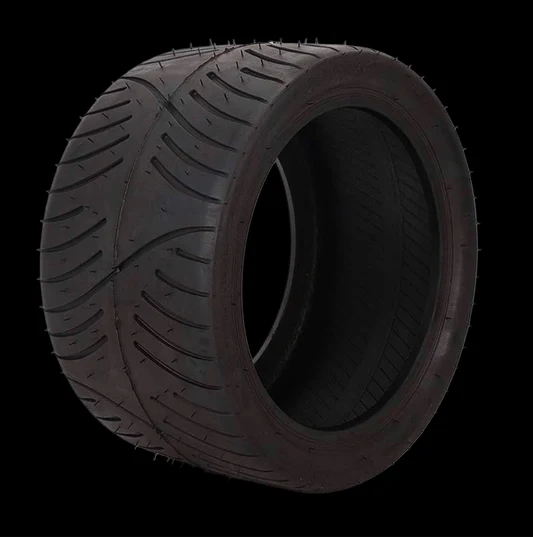
Look at the sidewall of any serious racing tire and you’ll notice the same thing: it’s short. That’s not an accident or a styling choice — it’s a deliberate engineering decision that trades sidewall height for a wider, grippier contact patch, and it’s exactly what defines a genuine Low Profile Tire.
The Low Profile Tire is built for teen and adult riders who want the same handling advantage that’s driven low-profile design across performance automotive and powersports tires for decades. It’s not a cosmetic upgrade — it’s a real change to how your machine grips the ground and responds to steering input, built on the same aspect ratio principles that separate genuine performance tires from standard, comfort-oriented rubber.
This guide breaks down five reasons the Low Profile Tire earns real consideration for your next upgrade — what aspect ratio actually means and why it matters, the genuine tradeoffs involved, how to confirm compatibility before you order, and the questions serious riders ask before making the switch.
Low Profile Tire Table of Contents
The Honest Truth: What Is a Low Profile Tire?
A Low Profile Tire is defined by its aspect ratio — the relationship between the tire’s sidewall height and its width, expressed as a percentage. A tire with a lower aspect ratio has a shorter sidewall relative to its width, which is exactly what “low profile” describes. Tires with an aspect ratio of 50 or below are generally classified as low profile, meaning the sidewall height is less than half the tire’s width.
This isn’t a cosmetic classification. Aspect ratio is a genuine, measurable engineering specification that directly affects how a tire performs, and it’s the same fundamental principle whether you’re looking at a low-profile tire on a high-performance car or a low-profile tire built for a kart or mini quad. A shorter sidewall changes the tire’s flex characteristics, its contact patch shape, and how directly steering input translates into actual directional change.
Confirm the exact aspect ratio and sizing specification for the Low Profile Tire directly with our team before ordering, since exact numbers should be verified against the live listing rather than assumed from general category information.
Unmatched Handling Behind the Low Profile Tire
The core handling advantage of a low profile tire comes down to sidewall flex. A taller sidewall — found on standard, higher-aspect-ratio tires — flexes more under cornering load, which absorbs some of the steering input before it translates into actual directional change at the contact patch. A shorter sidewall flexes less, meaning steering input reaches the road or trail surface more directly and with less delay.
That translates into a genuinely different feel behind the controls: sharper, more immediate steering response, and a more direct connection between rider input and actual handling behavior. This is exactly why low-profile tires have become the standard choice across high-performance automotive and powersports applications over the past several decades — the handling benefit is real and measurable, not a marketing claim layered over standard tire construction.
The Powerful Contact Patch Advantage of the Low Profile Tire
Beyond sidewall stiffness, low profile tires generally deliver a wider contact patch — the actual area of the tire touching the ground — for a given overall tire diameter, compared to a standard higher-aspect-ratio tire of the same outer size. That wider contact patch is directly responsible for improved grip and traction, particularly noticeable under hard cornering or braking.
A wider contact patch also generally supports larger, more capable braking components, since low-profile tire and wheel combinations are frequently paired with larger-diameter wheels that provide more room for bigger brake rotors and calipers — a genuine secondary performance benefit that compounds with the tire’s own handling advantages.
Critical Tradeoffs to Understand Before You Buy a Low Profile Tire
It’s worth being honest about the real downsides of low profile tires, since a genuinely useful buying guide doesn’t just sell the upsides.
Reduced ride comfort. The shorter sidewall that delivers sharper handling also means less cushioning between the tire and the riding surface, which translates into a firmer, harsher ride — particularly noticeable on rough or uneven terrain.
Increased risk of impact damage. Because there’s less sidewall height to absorb impacts, low profile tires are generally more susceptible to damage from potholes, rocks, curbs, or other hard impacts than a standard tire with a taller, more forgiving sidewall.
Faster wear in some applications. Performance-oriented low profile tires frequently use softer rubber compounds specifically to maximize grip, and softer compounds generally wear faster than harder, more durable compounds used on standard tires.
Faster deflation if punctured. Low profile tires hold less total air volume than a taller sidewall tire of comparable width, meaning a puncture results in faster pressure loss.
These aren’t reasons to avoid a low profile tire — they’re genuine tradeoffs worth weighing honestly against the handling benefits, based on your actual riding conditions and priorities.
Rugged Compatibility Considerations for the Low Profile Tire
Fitment matters significantly with any tire upgrade, and low profile tires specifically require careful attention to wheel compatibility.
Wheel diameter matching. Because a low profile tire has a shorter sidewall, achieving the correct overall tire diameter for your vehicle or machine frequently requires a larger wheel diameter than you’d use with a standard, higher-aspect-ratio tire. Confirm your wheel sizing is appropriate for the specific Low Profile Tire you’re considering.
Width and clearance. Low profile tires often have a wider footprint than standard tires of comparable overall diameter — confirm your frame, fender, or suspension clearance can accommodate that width before ordering.
Load rating. Because low profile tires hold less air volume, load capacity can be affected compared to a standard tire — confirm the load rating meets your machine’s requirements, especially for a heavier build or rider.
The Low Profile Tire vs. Standard Sidewall Tires: The Brutal Comparison
It’s worth laying out the honest tradeoffs between the Low Profile Tire and a standard, higher-aspect-ratio tire, since the right choice genuinely depends on your riding priorities.
Standard sidewall tires deliver a more comfortable, forgiving ride, better resistance to pothole and impact damage, and generally more affordable pricing — the right choice for riders prioritizing comfort and durability over outright handling precision.
The Low Profile Tire delivers sharper steering response, a wider contact patch for improved grip, and a genuine performance-oriented aesthetic, at the cost of ride comfort, impact resistance, and typically faster wear.
| Factor |
Standard Sidewall Tires |
Low Profile Tire |
| Ride comfort |
More cushioned, forgiving |
Firmer, more direct road feel |
| Steering response |
Less immediate |
Sharper, more direct |
| Impact resistance |
Better |
More vulnerable to damage |
| Contact patch |
Narrower for comparable diameter |
Wider |
| Wear rate |
Generally slower |
Often faster, especially performance compounds |
Neither is objectively better — it comes down to whether you prioritize comfort and durability or genuine handling precision for your specific riding style.
How the Low Profile Tire Evolved From Automotive Racing to Powersports
Understanding where low-profile tire design actually came from helps explain why it’s a genuine engineering approach rather than a passing style trend, and it’s a genuinely interesting piece of tire history worth knowing.
In the early 20th century, most tires carried aspect ratios close to 98 — meaning sidewall height was nearly equal to tire width, producing the tall, narrow tires seen on vehicles from that era. Over subsequent decades, aspect ratios trended steadily downward as tire engineers and racing teams discovered that shorter sidewalls delivered genuine handling advantages under real competitive conditions. By the 1970s, 70-series tires (a 70 aspect ratio) had become common. Pirelli is credited with introducing the first widely available 70-series tire back in 1968, a genuinely low profile design by the standards of that era.
That downward trend has continued consistently since. Today’s 65-to-55 series tires are considered standard touring tires — proportions that would have been considered aggressively low profile just a few decades earlier. Genuine performance and racing applications now regularly use aspect ratios well below 50, with some specialized racing tire designs pushing toward aspect ratios as low as 20-25, representing the practical limits of how short a sidewall can be while still maintaining the structural integrity to carry a real load.
This decades-long engineering trend reflects a consistent finding across motorsports and performance vehicle development: shorter sidewalls genuinely improve handling precision, and that finding has carried directly from full-size automotive racing into powersports applications, including the kart and mini quad category the Low Profile Tire is built for. The tire on your machine today reflects the same fundamental engineering principle that’s been validated and refined across nearly a century of real competitive testing — not a recent marketing trend, but a genuinely proven approach to tire performance.
Who the Low Profile Tire Is Really Built For (No Guesswork)
The Low Profile Tire is built for teen and adult riders who prioritize genuine handling precision and cornering response over maximum ride comfort — riders who notice and care about the difference between a tire that flexes under load and one that delivers direct, immediate steering feedback.
For teen riders developing genuine cornering skill, a low profile tire’s more direct feedback can be a valuable tool for building real handling awareness, though the firmer ride and increased impact sensitivity are worth factoring in for less experienced riders on rougher terrain. For adult riders and more experienced builders, the Low Profile Tire delivers exactly the kind of performance-oriented handling upgrade that established racing and performance culture has relied on for decades.
Powerful Questions to Ask Before You Order a Low Profile Tire
Before committing to this upgrade, confirm these details directly with our team to ensure a genuine, safe fitment.
What’s the exact aspect ratio and size specification? Get specific numbers rather than a general “low profile” description, since exact sizing determines actual compatibility.
What wheel diameter does this tire require? As covered above, low profile tires frequently need larger wheel diameters to maintain correct overall sizing.
What’s the tire’s load rating, and does it meet my machine’s requirements? Confirm this matches or exceeds your actual riding weight and use case.
What terrain is this tire actually designed for? Given the genuine tradeoffs around impact resistance, confirm whether this specific tire suits your typical riding surface.
How to Install and Break In a Low Profile Tire Correctly
Getting installation and initial use right matters more with a low profile tire than a standard one, given the reduced margin for error around pressure and fitment.
Confirm correct tire pressure before your first ride. Low profile tires are generally more sensitive to incorrect inflation than standard tires — both underinflation and overinflation carry real performance and damage risks.
Inspect wheel and hub compatibility during installation. Confirm proper seating and fitment given the tighter tolerances often involved with low-profile tire and wheel combinations.
Ease into aggressive riding during initial break-in. Give yourself time to adjust to the tire’s different handling feel — sharper, more direct steering response takes some adjustment if you’re used to a standard sidewall tire.
Inspect after the first several rides. Check for proper wear patterns and any signs of fitment issues once the tire has had genuine riding time to settle in.
The Essential Low Profile Tire Maintenance Guide
Ongoing maintenance deserves extra attention with a low profile tire given the genuine tradeoffs covered throughout this guide.
Tire pressure checks, more frequently than with standard tires. Given the reduced air volume and increased sensitivity to incorrect inflation, check pressure more regularly than you would with a standard sidewall tire.
Regular inspection for impact damage. Because of the increased vulnerability to potholes, rocks, and curb impacts covered earlier, make visual sidewall inspection a routine habit, not an occasional check.
Monitor wear patterns closely. Performance-oriented compounds often used in low profile tires can wear faster, particularly under aggressive riding — track wear proactively rather than waiting for an obvious problem.
Store properly when not in use. Proper storage — away from direct sun and extreme temperature swings — helps preserve rubber compound integrity over time, particularly relevant for performance-oriented tire compounds.
Non-Negotiable Safety Considerations for the Low Profile Tire
The genuine tradeoffs covered throughout this guide translate into real safety considerations worth taking seriously.
Never ride on a low profile tire with incorrect pressure. Given the increased sensitivity to inflation levels, confirm correct pressure before every ride, not just occasionally.
Inspect for impact damage after hitting any significant obstacle. Given the increased vulnerability to pothole and impact damage, don’t assume a low profile tire that’s absorbed a hard hit is automatically fine to keep riding on.
Match your riding terrain to the tire’s actual capability. Low profile tires generally perform best on smoother, more consistent surfaces — respect that limitation rather than pushing aggressive riding on terrain the tire wasn’t built for.
Confirm load rating compliance for your actual riding weight. Exceeding a tire’s rated load capacity is a genuine safety risk regardless of tire type, and matters especially given the reduced air volume in a low profile design.
Why Smart Riders Buy the Low Profile Tire From Shifted Standard
The Low Profile Tire reflects the same standard we apply across our entire Parts & Accessories lineup — genuine performance components backed by honest specification, not marketing language layered over standard hardware.
Our team is available to confirm exact sizing, aspect ratio, and wheel compatibility for your specific build. This standard of support reflects the same approach we apply across our entire lineup — from our electric and gas mini quads to our dirt bikes, mini bikes, mini trikes, and Kooler Kartz. Every product we sell is backed by genuine performance testing and honest specification, reflected in our 4.8-star rating across more than 110 verified reviews from riders and builders around the world.
Ready to feel a sharper, more direct connection to the ground? Order the Low Profile Tire now and get a genuine handling upgrade.
Common Mistakes Riders Make Shopping for a Low Profile Tire
A few recurring mistakes show up consistently when riders shop for low profile tires, and knowing them ahead of time helps you avoid a purchase that doesn’t fit or perform as expected.
Ordering without confirming wheel diameter compatibility. As covered throughout this guide, low profile tires frequently require different wheel sizing than standard tires — always confirm compatibility before ordering.
Prioritizing looks over genuine terrain suitability. A low profile tire’s performance-oriented aesthetic is appealing, but confirm it actually suits your riding terrain and conditions rather than choosing based on appearance alone.
Underestimating the ride comfort tradeoff. As covered in the honest tradeoffs section, low profile tires deliver a genuinely firmer ride — factor that into your decision rather than being surprised after the swap.
Ignoring pressure sensitivity. Low profile tires demand more careful, more frequent pressure monitoring than standard tires — skipping this habit increases both performance and safety risk.
Not checking load rating against actual use. Confirm the tire’s rated load capacity genuinely matches your riding weight and use case before ordering.
Low Profile Tire: Setting Realistic Expectations
It’s worth being straightforward about what the Low Profile Tire is — and isn’t — so you know exactly what to expect before ordering.
It is a genuine performance tire built around a shorter sidewall and lower aspect ratio, delivering sharper steering response and a wider contact patch compared to standard tires. It is not a comfort-oriented tire, and it carries real tradeoffs — reduced ride cushioning, increased impact vulnerability, and generally faster wear — that are worth weighing honestly against the handling benefits.
Confirm exact sizing, aspect ratio, and wheel compatibility directly with our team before ordering, since those specifics should be verified against your actual build rather than assumed from general category information.
Low Profile Tire FAQ: Your Toughest Questions Answered
What makes a tire “low profile”? A lower aspect ratio — the relationship between sidewall height and tire width. Tires with an aspect ratio of 50 or below are generally classified as low profile, meaning shorter sidewalls relative to width.
Will a low profile tire fit my current wheels? Confirm this directly with our team, since low profile tires frequently require different wheel diameter sizing than standard tires to maintain correct overall tire diameter.
Is the ride quality really that different? Yes — the shorter sidewall provides less cushioning, resulting in a genuinely firmer, more direct ride compared to a standard higher-aspect-ratio tire.
Do low profile tires wear out faster? Often yes, particularly performance-oriented compounds used to maximize grip, which generally wear faster than harder, more durable standard tire compounds.
Are low profile tires more likely to get damaged? Yes — the reduced sidewall height means less cushioning against impacts from potholes, rocks, or curbs compared to a taller sidewall tire.
Is this appropriate for a teen rider? The sharper, more direct handling feedback can be genuinely valuable for developing riding skill, but the firmer ride and increased impact sensitivity are worth factoring in, especially on rougher terrain.
Does shipping cost extra, and do you ship internationally? Confirm shipping costs and international availability directly with our team, since specifics can vary based on your location.
How often should I check tire pressure on a low profile tire? More frequently than with a standard tire, given the increased sensitivity to incorrect inflation and reduced total air volume.
Can I mix a low profile tire with standard tires on the same machine? This depends on your specific setup and application. Mixing tire types with meaningfully different handling characteristics on the same machine can create inconsistent behavior between axles or wheel positions — confirm with our team whether a full matched set or a single tire swap makes sense for your build.
What’s a realistic lifespan for a low profile tire compared to a standard one? This varies significantly based on compound, riding style, and terrain, but given the generally softer compounds used for grip and the increased impact vulnerability covered earlier, expect a low profile tire to need more frequent inspection and potentially earlier replacement than a comparable standard tire under similar use.
Final Verdict: Is the Low Profile Tire Truly Worth It?
If you want genuinely sharper handling — a wider contact patch, more direct steering response, and the same aspect ratio principles that define performance tires across automotive and powersports applications — the Low Profile Tire delivers exactly that. The real tradeoffs — firmer ride, increased impact vulnerability, faster wear — are worth weighing honestly against those handling gains based on your actual riding priorities.
Confirm exact sizing, aspect ratio, and wheel compatibility directly with our team before ordering to ensure a genuine, safe fitment.
Ready to feel the difference a genuine performance tire makes? Order the Low Profile Tire today and get sharper handling built on real tire engineering, not marketing language.

 Electric Dirt Bikes
 Kooler Kartz
 Mini Trike
 Surrun Bikes
 Parts & Accessories
 Quad Bikes








Reviews
There are no reviews yet.